Walking the Via Francigena The Ultimate Guide to Europe’s Great Pilgrimage
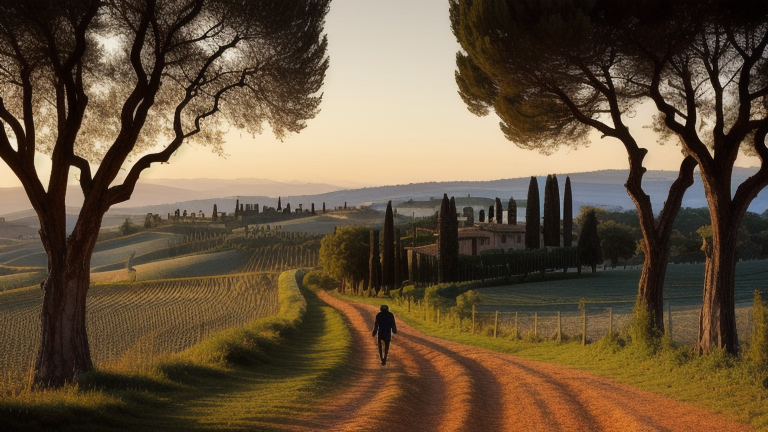
Few journeys in the world offer a seamless blend of historical depth, architectural wonder, and slow-travel immersion like walking the Via Francigena. While the Camino de Santiago draws vast crowds across northern Spain, the Via Francigena remains one of Europe’s most rewarding, serene, and culturally authentic long-distance walking trails.
Spanning over 2,000 kilometers from Canterbury Cathedral in England to St. Peter’s Basilica in Vatican City, Rome, this epic pilgrimage crosses four countries: England, France, Switzerland, and Italy. At Surma, where we champion thoughtful travel and meaningful cultural engagement, we invite you to step back in time along this ancient highway.
The stretch of the Via Francigena between Lucca and Siena is one of the most rewarding sections of the entire pilgrim route from Canterbury to Rome, passing through Tuscan hill towns, chestnut forests and the walled city of San Gimignano without the crowds that cluster around the Camino de Santiago. Walking it well requires a bit more logistical preparation than a casual hike, mainly because services are sparser and trail marking, while generally good, isn’t universal.
Understanding the Trail Markers
The Via Francigena is marked with a consistent pilgrim symbol — typically a stylised pilgrim figure with a staff, on white and red signage — placed at junctions, gates and ambiguous turns along the route. Marking density varies considerably by region: through towns and more heavily used sections the markers appear frequently, while across open countryside and forest stretches they can thin out, especially where the trail crosses or briefly joins minor local roads.
Carrying a dedicated Via Francigena map or a GPS track alongside the physical markers is strongly advisable rather than optional. Relying purely on signage works most of the time, but the stretches where it fails tend to be exactly the remote sections where getting lost costs you real time and daylight.
Getting Your Pilgrim Credential
A pilgrim credential (credenziale) is a passport-style document stamped at churches, hostels, cafes and municipal offices along the route, serving as proof of your walk and, in some towns, granting access to discounted or pilgrim-specific accommodation. It’s generally obtainable before you start from pilgrim associations or certain churches in Lucca, and stamps should be collected at least once or twice daily to maintain a credible record of your progress.
- Start collecting stamps from your very first day in Lucca — missing early stamps is a common regret among first-time walkers who don’t realise the credential’s importance until later in the route.
- Churches along the way are usually happy to stamp credentials even outside formal service times, though opening hours vary by parish and should be checked locally rather than assumed.
- Keep the credential somewhere dry and accessible — a plastic sleeve inside your pack’s top pocket works well, since you’ll need it multiple times a day.
Stage Breakdown: Lucca to Siena
| Stage | Approximate character | Key consideration |
|---|---|---|
| Lucca to Altopascio | Flat, agricultural plain walking | Good services; easy introductory stage |
| Altopascio to San Miniato | Gentle hills, mixed farmland and woodland | Fewer water points — carry more than the stage length suggests |
| San Miniato to Gambassi Terme | Rolling Tuscan countryside, increasingly scenic | Limited village services mid-stage; plan food before departure |
| Gambassi Terme to San Gimignano | Shorter stage, approach to a major walled town | Arrive with daylight to explore — San Gimignano deserves time |
| San Gimignano to Monteriggioni | Longer stage through classic Tuscan hill terrain | Most physically demanding stretch; start early |
| Monteriggioni to Siena | Shorter final approach into the city | Save energy for exploring Siena on arrival |
These stage divisions reflect common walking patterns rather than a fixed rule — many walkers split longer stages across two days, particularly the San Gimignano to Monteriggioni stretch, depending on fitness and how much time they want to spend exploring towns along the way rather than just passing through.
Water Points and Planning Your Carry
Unlike the agricultural plain near Lucca, where towns and water fountains appear regularly, the hill stages between San Miniato and Monteriggioni can involve several hours between reliable water sources. Fill up fully at every confirmed water point rather than assuming the next one is close, and check locally updated trail notes before each stage, since fountains occasionally run dry or are temporarily out of service, particularly in late summer.
Monastery and Convent Stays
One of the route’s genuine pleasures is the availability of monastery and convent accommodation (often called ostelli or accoglienza) in several towns along this stretch, offering simple, quiet lodging often at modest donation-based rates, sometimes with communal evening meals or prayer attendance optional rather than required. These stays tend to need advance booking by phone rather than online, and availability can be limited, especially during peak pilgrim season.
- Call ahead a few days before you expect to arrive rather than walking up unannounced, since many of these are run by small religious communities with limited capacity.
- Bring a sleep sheet or light sleeping bag liner, as bedding provisions vary between locations.
- Respect quiet hours and any requested etiquette around shared spaces — these aren’t hotels, and the hospitality is offered within the norms of the community providing it.
Walking this stretch well comes down to respecting its character rather than treating it like a standard long-distance trail: fewer services than popular alternatives, genuine quiet stretches, and a layered history that rewards walkers who slow down enough to notice the small chapels, worn stone markers and centuries-old waypoints built for exactly the journey you’re making.
Footwear and Daily Pack Considerations
Tuscan trail surfaces on this stretch vary more than first-time walkers expect, shifting between packed gravel farm tracks, loose stony paths on the hill stages, and occasional stretches of tarmac through smaller towns. Trail shoes with reasonable ankle support tend to serve better here than either heavy boots, which add unnecessary weight on the gentler plain stages, or minimal trainers, which struggle on the loose stone sections approaching San Gimignano and Monteriggioni.
Pack weight matters more on this route than it might on a shorter day hike, simply because you’re carrying it across consecutive multi-hour stages. Sending non-essential luggage ahead by taxi or courier between major stops, a service offered by several local operators along well-established pilgrim routes, is worth considering for anyone walking the full Lucca to Siena stretch without a rest day built in, since it noticeably reduces fatigue across the harder hill stages.
Timing Your Walk Through the Year
Spring and early autumn generally offer the most comfortable walking conditions on this stretch, avoiding both the harsher summer heat across the exposed hill sections and the wetter, muddier winter conditions on unpaved farm tracks. Whatever season you choose, check current weather and trail condition reports close to your departure date, since unpaved stretches can become genuinely difficult after sustained rain regardless of time of year.
Why Choose the Via Francigena Over Other European Trails?
While Spain’s Camino de Santiago sees hundreds of thousands of walkers annually, the Via Francigena offers quiet reflection, solitude, and unfiltered local life. You won’t face rush-hour queues for hostel beds or crowded trails. Instead, you will find open landscapes, warm interactions with local villagers, and a deep connection to Western Europe’s living history.
Whether you embark on the full 2,000-kilometer cross-continental odyssey or choose a week-long journey through Tuscany’s golden hills, walking the Via Francigena is a transformative adventure. Pack your boots, embrace the slow pace, and let the historic road to Rome carry you forward.
Are you planning your first section of the Via Francigena? Explore Surma’s dedicated cultural travel guides for deeper insights into Italy’s hidden heritage and slow-travel itineraries.