Top 5 Beautiful Tourist Destinations in Asia Unforgettable Travel Guide
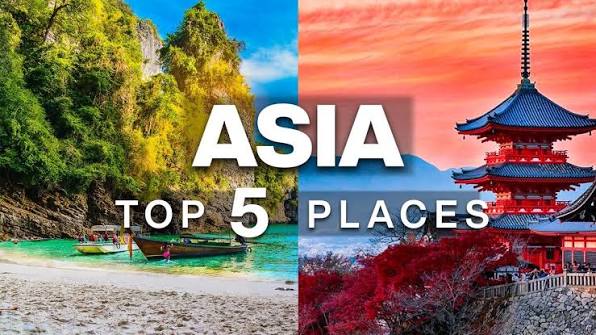
Asia is a continent defined by extreme contrasts, where ancient traditions blend effortlessly with modern wonder. Spanning thousands of miles from the emerald peaks of Southeast Asia to the icy high-altitude passes of the Himalayas, Asia boasts some of the most breathtaking landscapes on Earth.
For modern travelers seeking more than standard sightseeing, identifying the top 5 beautiful tourist destinations in Asia requires looking beyond superficial aesthetics. The true beauty of a destination lies in its harmony of natural splendor, rich cultural heritage, ecological significance, and the authentic experiences it offers to visitors.
In this comprehensive feature for surma.com.co, we delve deep into five extraordinary Asian destinations that stand out as premier travel wonders. Each destination offers a distinct narrative, combining majestic scenery with immersive cultural experiences.
What Makes an Asian Destination Truly Iconic?
Before embarking on our journey across the continent, it is important to analyze the parameters that elevate a location to world-class status. Travel journalism and contemporary tourism research highlight four core pillars:
-
Visual and Geographical Diversity: Unique topography, dramatic ecological formations, or rare natural phenomena.
-
Cultural and Historical Depth: Well-preserved historical architecture, indigenous customs, and UNESCO World Heritage recognition.
-
Infrastructure and Accessibility: A balance between remote, pristine beauty and thoughtful travel infrastructure that supports sustainable visitor flows.
-
Authenticity and Local Engagement: Opportunities for travelers to engage respectfully with resident communities and eco-friendly tourism operators.
+---------------------------------------------------------------------------------------------------------+
| Destination                   | Primary Attraction Type      | Key UNESCO / Heritage Feature            |
+-------------------------------+------------------------------+------------------------------------------+
| Ha Long Bay – Cat Ba, Vietnam | Marine Karst Topography      | UNESCO World Heritage Natural Site       |
| Kyoto, Japan                  | Ancient Architecture & Parks | Historic Monuments of Ancient Kyoto      |
| Luang Prabang, Laos           | Colonial & Buddhist Fusion   | Town of Luang Prabang Heritage Zone      |
| Paro Valley, Bhutan           | High-Altitude Himalayan Peak | Protected Cultural & Himalayan Landscape |
| Raja Ampat, Indonesia         | Marine Biodiversity Sanctuary| Coral Triangle Marine Park               |
+---------------------------------------------------------------------------------------------------------+
Ha Long Bay & Cat Ba Archipelago, Vietnam The Emerald Karst Labyrinth
Located in northeastern Vietnam, Ha Long Bay—alongside its neighbor, the Cat Ba Archipelago—presents one of the most surreal geological landscapes on the planet. Recognized as a UNESCO World Heritage site, the bay contains over 1,600 limestone islands and islets rising dramatically from emerald ocean waters.
The Geological Marvel of Limestone Karsts
Formed over 500 million years of complex geological transformation, these limestone towers are sculpted by tropical weather into intricate caves, hidden lagoons, and towering vertical cliffs. Gliding through the calm waters aboard a traditional wooden junk boat reveals a landscape enveloped in morning mist and rich maritime biodiversity.
Key Highlights and Experiences
-
Sung Sot (Surprise) Cave: A massive underground cavern featuring cavernous chambers adorned with stalactites and stalagmites shaped over millennia.
-
Cat Ba National Park: Home to the endangered Cat Ba langur, this lush island reserve offers prime hiking trails through subtropical rainforests and high elevation vantage points overlooking Lan Ha Bay.
-
Cua Van Floating Village: An authentic glimpse into maritime heritage, where communities have lived in floating wooden structures for generations, sustainable fishing practices shaping their daily lives.
Practical Travel Insights for Surma Readers
To avoid crowded tourist corridors, plan visits during the shoulder seasons between September to November or March to May. Opt for small-ship, eco-certified cruises that follow strict waste management guidelines to help preserve the bay’s delicate marine ecosystem.
Kyoto, Japan The Timeless Heart of Traditional Culture
While Tokyo showcases cutting-edge technological innovation, Kyoto remains the cultural soul of Japan. As the nation’s imperial capital for over a millennium, Kyoto houses thousands of classical Zen temples, Shinto shrines, meticulous Japanese gardens, and historic wooden architecture.
Architectural Harmony and Seasonal Beauty
Kyoto’s architectural landscape is designed to mirror the natural rhythms of the seasons. Whether framed by delicate pink cherry blossoms (sakura) in spring or brilliant crimson maple foliage (koyo) in autumn, the city’s historic districts offer unmatched aesthetic tranquility.
Key Highlights and Experiences
-
Fushimi Inari-taisha: Famous for its mesmerizing path lined with thousands of vibrant vermilion torii gates winding up Mount Inari.
-
Arashiyama Bamboo Grove: A sensory sanctuary where tall green bamboo stalks filter sunlight and rustle gently in the breeze.
-
Kinkaku-ji (The Golden Pavilion): A Zen temple whose top two floors are completely covered in pure gold leaf, overlooking a tranquil mirror-like pond.
-
Gion District: Kyoto’s renowned geisha quarter, characterized by preserved machiya (traditional wooden townhouses) and refined tea ceremonies.
Cultural Etiquette Note
When exploring Kyoto’s sacred sites and historic residential alleys, visitors should practice mindful tourism: observe quiet zones in temple grounds, seek permission before photographing street performers, and walk on designated footpaths to preserve fragile stone pavements.
Luang Prabang, Laos: Serenity Along the Mekong River
Nestled in a valley at the confluence of the Mekong and Nam Khan Rivers in northern Laos, Luang Prabang is an architectural and spiritual sanctuary. This UNESCO-listed town seamlessly blends traditional Lao timber architecture with 19th-century French colonial urban planning.
A Sanctuary of Mindfulness and Heritage
Luang Prabang moves at a slow, deliberate pace. Golden temple roofs peak above lush palm canopies, while saffron-robed monks walk silently through cobblestone streets during the daily morning Tak Bat (almsgiving ceremony).
Key Highlights and Experiences
-
Kuang Si Falls: A multi-tiered waterfall cascade pouring into striking turquoise limestone pools, surrounded by dense jungle vegetation.
-
Wat Xieng Thong: One of the most important Lao monasteries, featuring sweeping low-slung roofs, intricate gold-leaf stencils, and a iconic “Tree of Life” glass mosaic.
-
Mount Phousi: A central hill offering a 360-degree panorama of the town, the Mekong River, and distant misty mountain ranges during sunset.
Responsible Travel Strategy
Support local craftsmanship by visiting the Traditional Arts and Ethnology Centre (TAEC) and purchasing directly from indigenous artisans at the evening handicraft market rather than mass-produced souvenir shops.
Paro Valley, Bhutan: The Kingdom of the Thunder Dragon
Enclosed by towering Himalayan peaks, the Paro Valley in Bhutan offers an extraordinary journey into a kingdom that measures success by Gross National Happiness rather than pure economic output. Bhutan’s commitment to high-value, low-impact tourism has kept its pristine landscapes and ancient Mahayana Buddhist culture exceptionally well preserved.
High-Altitude Splendor and Sacred Fortresses
From pine-scented mountain valleys to ancient hilltop strongholds (dzongs), Paro serves as the ultimate gateway to Himalayan wilderness and spiritual philosophy.
Key Highlights and Experiences
-
Taktsang Palphug Monastery (Tiger’s Nest): Perched dramatically on a sheer cliff face 900 meters above the valley floor, this sacred monastery requires a rewarding high-altitude hike through rhododendron forests and prayer-flag-draped mountain trails.
-
Rinpung Dzong: A historic fortress and Buddhist monastery showcasing Bhutanese timber architecture constructed completely without metal nails.
-
Chele La Pass: Sitting at over 3,900 meters above sea level, this pass yields breathtaking views of Mount Jomolhari and surrounding snow-capped peaks.
Travel Planning & Sustainability
Travelers to Bhutan must plan their itinerary through licensed operators and budget for the Sustainable Development Fee (SDF). This fee directly supports free healthcare, public education, and environmental conservation across the kingdom.
Raja Ampat Archipelago, Indonesia: Earth’s Last Aquatic Eden
Located off the northwest tip of West Papua, Raja Ampat (The Four Kings) is an archipelago comprising over 1,500 small islands, cays, and shoals surrounding four main islands. Widely considered the global epicenter of marine biodiversity, it is an essential destination for nature enthusiasts and aquatic explorers.
Unrivaled Marine Ecosystems
Situated within the Coral Triangle, Raja Ampat’s waters contain over 75% of all known hard coral species and more than 1,500 species of reef fish. The landscape above water is equally astonishing, featuring dramatic mushroom-shaped karst islets scattered across crystal-clear turquoise lagoons.
Key Highlights and Experiences
-
Pianemo Lookout: The quintessential Raja Ampat view, where a wooden staircase leads atop a high karst peak overlooking a constellation of limestone islets floating in emerald waters.
-
Misool Island: A pristine conservation zone featuring marine sanctuaries, ancient rock art paintings on cliff walls, and rich sea turtle nesting grounds.
-
Diving with Oceanic Manta Rays: World-class dive sites like Manta Ridge allow divers to observe these graceful sea creatures gliding over cleaning stations.
Eco-Conscious Exploration Guidelines
Raja Ampat’s delicate environment demands responsible travel habits. Visitors should utilize reef-safe sunscreen, avoid touching live coral structures, and stay in eco-friendly community homestays to directly support Papuan coastal villages.
Comparing the Top 5 Destinations: Choosing Your Next Journey
To help you decide which of these iconic destinations aligns best with your personal travel preferences, consider the operational summary below:
+---------------------------------------------------------------------------------------------------------------------+
| Destination   | Ideal Traveler Profile    | Best Time to Visit    | Recommended Trip Duration | Difficulty Level   |
+---------------+---------------------------+-----------------------+---------------------------+--------------------+
| Ha Long Bay   | Cruisers & Nature Lovers  | Mar–May / Sep–Nov     | 3 to 4 Days               | Easy               |
| Kyoto         | Cultural & History Buffs  | Mar–Apr / Oct–Nov     | 4 to 6 Days               | Easy               |
| Luang Prabang | Slow Travelers & Photog.  | Nov–Feb               | 3 to 5 Days               | Easy–Moderate      |
| Paro Valley   | Trekkers & Spiritualists  | Mar–May / Sep–Nov     | 5 to 8 Days               | Moderate–Challenging|
| Raja Ampat    | Divers & Eco-Explorers    | Oct–Apr               | 7 to 10 Days              | Moderate           |
+---------------------------------------------------------------------------------------------------------------------+
Essential Sustainable Travel Tips for Exploring Asia
As global tourism continues to grow, protecting delicate cultural and natural environments is more important than ever. When planning your journey to any of these top 5 beautiful tourist destinations in Asia, consider these core principles championed by surma.com.co:
1. Reduce Plastic Footprint
Single-use plastic pollution remains a major challenge across Southeast Asia. Always travel with a refillable stainless steel water bottle equipped with a built-in filter, and decline plastic bags when purchasing local goods at traditional markets.
2. Respect Local Dress Codes and Customs
When visiting religious sites—whether Zen gardens in Kyoto, Buddhist monasteries in Bhutan and Laos, or sacred caves in Vietnam—dress modestly by covering shoulders and knees. Remove footwear before entering temple halls or local homes.
3. Support Local Micro-Economies
Direct your travel funds toward small businesses. Hire local guides, dine at family-owned eateries, stay at community-run guesthouses, and buy authentic handicrafts made by resident artisans.
Conclusion: Crafting Your Asian Odyssey
Asia’s vast collection of natural wonders and historical landmarks offers infinite opportunities for deep, meaningful travel. Whether you choose to sail through the mist-shrouded limestone towers of Ha Long Bay, walk among the historic Zen shrines of Kyoto, embrace the quiet riversides of Luang Prabang, ascend to the sacred Himalayan cliffs of Paro Valley, or dive into the pristine marine habitats of Raja Ampat, each destination delivers an unforgettable experience.
By approaching these destinations with mindfulness, environmental respect, and genuine curiosity, travelers can ensure that these magnificent landscapes remain vibrant and protected for generations to come.
Stay tuned to surma.com.co for more in-depth travel guides, cultural insights, and slow travel itineraries designed for the conscious modern explorer.