Deceleration in Travel How Slowing Down Deepens Cultural Immersion
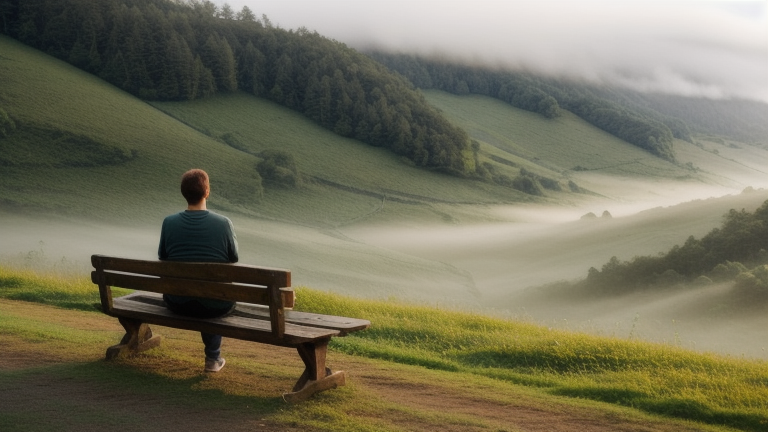
In an era dominated by hyper-connectivity and fast-paced itineraries, modern travel has increasingly morphed into a race against the clock. Tourists rush from one landmark to another, checking off bucket lists while absorbing little of the genuine atmosphere around them. However, a transformative shift is taking root across global travel culture: deceleration.
Deceleration in travel is not simply moving at a slower speed; it is a deliberate mindset shift. It means trading the impulse to see everything for the opportunity to truly experience something deeply. On Surma, where we explore the intersection of travel, regional heritage, and living traditions, deceleration represents the definitive key to authentic cultural engagement.
Most travel advice is built around acceleration — see more, in less time, with maximum efficiency. Slow travel starts from the opposite premise: that deceleration itself is the point, not a compromise you make when you lack the time or budget to do more. It’s worth separating this from simply “travelling for longer.” You can spend a month somewhere and still rush through it like a checklist; you can also spend three days in one place and genuinely decelerate. The difference is a shift in what you’re optimising for.
The Psychological Shift: From Collecting to Noticing
Conventional travel, especially the kind shaped by social media, rewards collection — landmarks seen, photos taken, boxes ticked. This produces a strange psychological effect: you can return from an intensive two-week, five-country trip with a stuffed camera roll and almost no felt memory of any single place, because attention was split so thin across so many stops that nothing had time to settle.
Slow travel works against this by deliberately narrowing the field. Spending five unstructured days in one neighbourhood rather than five rushed hours in five different cities changes what your brain actually retains. You start noticing things that only reveal themselves through repetition — the same baker opening at the same time each morning, the particular quality of afternoon light on a specific street, which bench is empty at which hour. None of this is remarkable in isolation. Together, it’s the difference between having visited a place and having actually known it, even briefly.
The Economic Logic Behind Slowing Down
There’s a persistent myth that slow travel is simply the expensive, leisurely version of travel, available only to people with unlimited time. In practice, the economics often run the other way. Rapid, multi-stop itineraries are expensive specifically because of their velocity: more flights, more one-night accommodation bookings at premium short-stay rates, more meals eaten at convenient but overpriced tourist-zone restaurants because there’s no time to find anything better.
Staying in one place for an extended stretch typically unlocks weekly or monthly accommodation rates well below nightly pricing, access to local markets instead of tourist-facing restaurants, and the elimination of repeated transit costs between stops. A illustrative comparison makes the pattern clear:
| Approach | Transit cost pattern | Accommodation pattern | Food cost pattern |
|---|---|---|---|
| Fast, multi-stop (5 cities in 10 days) | High — frequent flights/trains between stops | High nightly rates, short-stay premium | Tourist-zone pricing, little time to find alternatives |
| Slow, single-base (10 days, one city) | Low — minimal onward transit needed | Lower weekly rate, often self-catering options | Local market and home-cooked options become viable |
These are illustrative patterns rather than fixed figures, since exact costs vary enormously by destination and season, but the underlying mechanism — that velocity itself carries a cost — holds broadly true across most regions.
The Ecological Argument, Stated Honestly
Slow travel is often framed as the more sustainable choice, and there’s real substance to that, though it’s worth being precise about why rather than treating it as a vague virtue. The clearest mechanism is simple: fewer total transit legs, particularly fewer short-haul flights, generally means a smaller transport footprint per day of travel experienced. A single long-haul flight followed by weeks of walking, cycling or local transit within one region produces meaningfully less transit-related impact per day than a trip structured around frequent short flights between many destinations.
It’s also worth being honest about the limits of this argument. Slow travel doesn’t automatically mean low-impact travel — a long stay built around car rental, resource-heavy resort accommodation, or frequent day-trip excursions can offset much of the transit saving. The ecological benefit comes specifically from reducing the number of transit legs and favouring lower-impact local movement once you’ve arrived, not from the slow pace alone.
What Deceleration Actually Requires
- Fewer destinations per trip — the single highest-leverage change, since it reduces transit legs more than any other adjustment.
- A loose rather than hour-by-hour schedule — leaving enough unstructured time that unplanned discoveries and repeated routines both have room to happen.
- A willingness to be bored occasionally — slow travel includes quiet, uneventful stretches that fast itineraries never allow space for, and treating these as a flaw rather than part of the process undermines the whole approach.
- Local-scale movement once you arrive — walking, cycling or local transit within a region rather than renting a car purely out of habit.
None of this requires unlimited time or money, despite the common assumption. It requires a different success metric: not how much you saw, but how much you actually experienced and retained. That reframing is the entire core of slow travel, and everything else — the itinerary choices, the budget patterns, the ecological footprint — follows from it rather than defining it.
Why This Is Harder Than It Sounds
Deceleration runs against a set of habits most of us have absorbed without noticing: the fear of wasted time, the urge to optimise every hour of a trip, the quiet anxiety that staying in one place too long means missing out on somewhere else. None of this is really about travel at all — it’s the same productivity mindset that governs a lot of modern working life, simply transplanted onto a holiday. Recognising this is often the first real obstacle to slowing down, because the discomfort of an unstructured afternoon can feel like failure rather than the point of the exercise.
This is partly why slow travel tends to suit a second or third trip to a region better than a first one. On a first visit, the pull toward seeing as much as possible is strong and arguably reasonable — you don’t yet know what you’d be trading away. Returning somewhere with the major landmarks already seen removes that pressure entirely, leaving room for the kind of unhurried attention that deceleration actually requires. If a full slow-travel approach feels too big a leap for your next trip, treating one stop on a larger itinerary as a deliberate slow stretch — even just three or four unstructured days in an otherwise busy trip — is a reasonable way to test whether the mindset suits you before committing to it fully.
Conclusion Embracing the Slow Mindset with Surma
Deceleration is ultimately a state of mind—a conscious decision to resist the urgency of modern life while exploring the world. By choosing to slow down, we respect both the destinations we visit and the communities that welcome us. On your next expedition, step off the tourist highway, slow your pulse, and let the real story of the place unfold at its natural pace.