Crossing the Adriatic Slowly A Guide to Slow Ferry Travel, Visas, and Coastal Ports
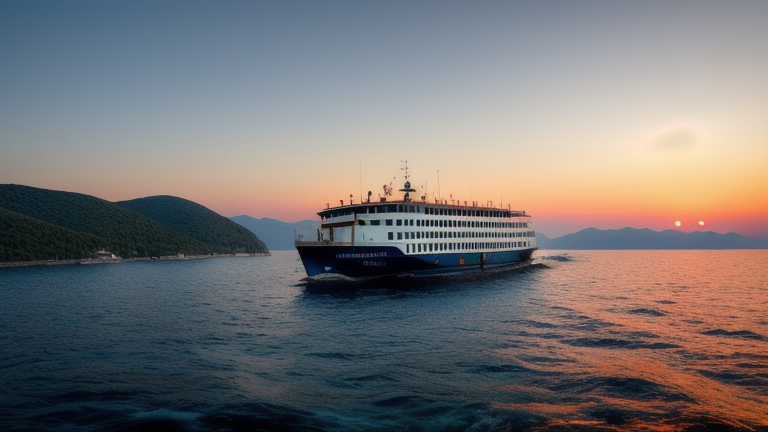
Modern travel often prioritizes speed over depth. We rush through airport security, land in a new city within hours, and immediately scramble toward tourist hotspots. Yet, true travel magic rarely happens at thirty thousand feet. Crossing the Adriatic Slowly offers a refreshing antidote to fast-paced itineraries, inviting slow-travel enthusiasts, cultural seekers, and long-stay wanderers to embrace the timeless rhythm of maritime journeys connecting Southern Italy with the Balkan peninsula.
Crossing the Adriatic by ferry rather than flying is one of the more rewarding ways to move between Southern Italy, Albania and Greece, but it comes with genuine logistical questions that don’t arise on a domestic hop. Here are direct answers to what trips up most travellers planning this route.
Do I need a visa to cross between these countries by ferry?
This depends entirely on your nationality and the specific countries involved, and it changes often enough that you should always check current requirements directly with official sources before booking rather than relying on general travel advice. Broadly, many nationalities can move between Italy, an EU member state, and Albania or Greece without complex visa arrangements, but entry requirements, permitted stay durations and required documentation differ by passport and can be affected by broader regional agreements that are periodically updated. The key practical point specific to ferry travel is that border checks at ports work differently from airports — processing can be slower, and queues at smaller ports may not have the same throughput capacity as a major airport terminal, so build in buffer time rather than assuming an airport-speed experience.
How do port transfers actually work on this route?
Unlike a flight where you land inside or very close to a city, Adriatic ferry ports vary significantly in how far they sit from the town centre they’re named after. Some ports are an easy walk into town; others require a bus or taxi transfer of twenty minutes or more, particularly at some of the smaller Albanian and Greek crossing points. Research the specific port’s distance from your actual destination before booking, rather than assuming the port name matches a walkable town centre.
- Major ports on established tourist routes generally have reliable onward bus or taxi options timed loosely around ferry arrivals.
- Smaller or less-trafficked ports may have limited onward transport, especially for ferries arriving outside daylight hours — check this specifically if your crossing is scheduled overnight or very early morning.
- Carrying some local currency in small denominations for a port taxi, even if you plan to use cards everywhere else, avoids being stuck at a port with no ATM and a taxi driver who only takes cash.
What should I know about scheduling and seasonality?
Adriatic ferry schedules are highly seasonal, with a much denser timetable through the warmer months and significantly reduced — sometimes drastically reduced — service in winter, when some routes may only run a few times a week or pause entirely. This is the single biggest planning trap for slow travellers assuming year-round frequency similar to a domestic train line.
| Season | Typical schedule pattern | Planning implication |
|---|---|---|
| Peak summer | Frequent, often daily or near-daily on main routes | Book ahead for popular departure times; competition for cabins/space |
| Shoulder season | Reduced frequency, several services per week | Check current timetable before finalising onward plans |
| Winter | Minimal or suspended on some routes | Verify the route is even operating before building an itinerary around it |
Always check the current operator timetable directly rather than relying on a general seasonal assumption, since exact schedule changes and specific dates shift year to year and aren’t fixed to a calendar date.
Overnight crossings: what to actually expect
Several routes on this corridor run as overnight sailings, and cabin availability ranges from shared basic bunks to private ensuite cabins, with deck or reclining seat options typically available at the lowest price point for travellers happy to forgo a proper bed. Booking early for peak season sailings matters more for cabin availability than for the crossing itself, since basic seating is usually available even when cabins sell out.
Connecting onward without domestic flights
The appeal of this route for slow travellers is stitching together ferry crossings with regional buses and trains to avoid flying the Southern Italy–Albania–Greece corridor entirely. A workable sequence typically looks like: a ferry crossing from a Southern Italian port, overland bus travel through Albania connecting toward the Greek border, and onward bus or ferry connections into Greece’s island or mainland network, depending on your final destination.
- Check both ferry and connecting bus schedules together before booking either leg — a well-timed ferry arrival paired with a poorly timed onward bus can add an unplanned overnight stay at a port town.
- Build in at least one buffer day at a major junction point in your itinerary, since ferry delays due to weather are common enough on this route to plan around rather than treat as a surprise.
- Confirm current border crossing points and any required documentation for overland Albania-Greece travel specifically, as these can differ from the maritime entry requirements covered by your ferry ticket.
None of this is overly complicated once mapped out, but it does require more active planning than a short-haul flight, where schedules are dense enough to improvise around delays. On the Adriatic ferry corridor, checking current schedules, visa requirements and port transfer logistics before you commit to dates is the difference between a smooth slow crossing and a frustrating one.
What to Pack for a Multi-Day Overland and Sea Crossing
Combining ferry legs with overland bus travel across three countries means packing for a wider range of conditions than a single-destination trip would require. A daypack with essentials kept separate from your main luggage is worth having for the ferry legs specifically, since cabin or deck storage on overnight sailings is often more limited than you’d expect, and you’ll want quick access to documents, chargers and snacks without digging through a full pack in a cramped space.
Printed copies of key documents — your ferry booking confirmation, any required entry paperwork, and accommodation details for your first night in each country — are worth carrying alongside digital versions, since connectivity at smaller ports and border crossings can be unreliable exactly when you need to show something quickly. A portable charger is similarly useful across long overland travel days where power outlets aren’t guaranteed on buses or at smaller stations.
Layered clothing is worth packing too, since conditions shift noticeably between a warm Southern Italian port, a breezy open-deck ferry crossing, and the cooler evenings often found further up into the Albanian and Greek mountains once you’ve moved inland from the coast.
Conclusion
Crossing the Adriatic Slowly is more than just an alternative transportation choice; it is a philosophy that honors cultural heritage, coastal geography, and the restorative joy of unhurried movement. By trading airport stress for maritime breezes and starry night skies at sea, you rediscover the art of true travel.