Pacing a Slow Rail Journey Along Surma A Slow Travel Guide
In an era dominated by high-speed transit and rushed itineraries, mastering the art of pacing a slow rail journey along the historic Surma River valley offers a profound return to the golden age of travel. As a dedicated travel and cultural publication, Surma advocates for mindful exploration—where the rhythmic clickety-clack of iron wheels against steel tracks becomes the heartbeat of your journey.
Proper pacing on a slow rail route is not merely about choosing a train that moves at a modest speed; it is an intentional strategy to absorb regional heritage, engage deeply with local communities, and experience the transforming landscape in real time.
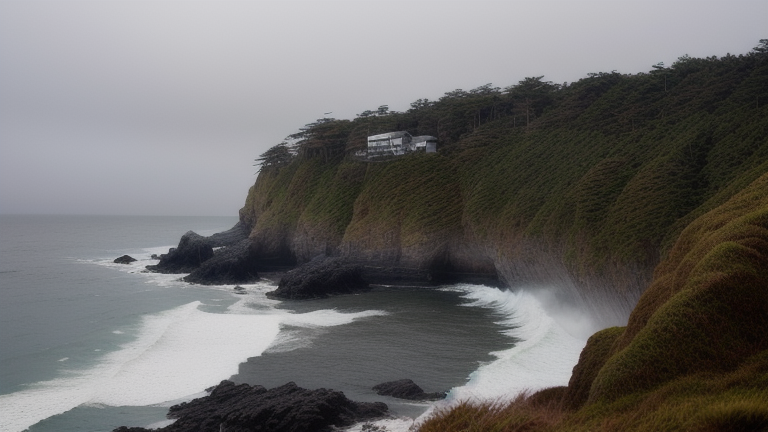
Japan’s San’in coast, running along the country’s quieter northern side facing the Sea of Japan, is the anti-Shinkansen version of rail travel through the country: single-carriage diesel trains, hour-long gaps between services, and stations that feel like they belong to a different decade than the bullet trains two hundred kilometres south. Travelling it slowly rewards patience, but it demands a genuinely different approach to timing than Japan’s famous high-speed network.
Understanding the Local Line Rhythm
Unlike the Shinkansen network, where frequent departures mean missing one train barely matters, San’in coast local lines often run on an hourly or even sparser schedule outside the few larger towns along the route. A missed connection here isn’t a minor inconvenience — it can mean a genuine hour or more of waiting at a small rural station with limited facilities.
- Always check the current timetable for your specific day of travel before setting out, since weekday and weekend schedules frequently differ, and some services run only on specific days.
- Build your day around the train times rather than trying to force the trains to fit a predetermined sightseeing schedule — this single mindset shift is the most important adjustment for this route.
- Treat any connection with less than a comfortable buffer as risky, particularly at smaller stations where a late-running service could cause you to miss the next connecting train entirely.
Luggage Forwarding: A Genuine Game-Changer
Japan’s domestic luggage forwarding services (often known by the generic term takkyubin) let you send larger bags ahead to your next accommodation, typically arriving the following day, for a modest fee relative to the convenience gained. On a slow rail trip involving multiple small-station transfers, this matters enormously — navigating a cramped single-carriage train or a station without lifts while hauling full luggage turns what should be a relaxed travel day into a genuine physical challenge.
The practical approach is to forward your main luggage from a hotel or convenience point at the start of a multi-stop stretch, carrying only a day bag with essentials for the stretch itself. This requires planning a day ahead, since forwarding typically takes a day to arrive, but it transforms the experience of the smaller, less accessible stations along this route.
Timing Visits to Rural Pottery Towns
Several towns along or near the San’in coast are known for traditional pottery traditions, with working kilns, small galleries and studios that reward a slow, unhurried visit rather than a rushed stopover between trains. The challenge is that these towns are often served by the same sparse local line schedule as the rest of the route, meaning a visit needs to be built around the realistic gap between trains rather than an idealised amount of browsing time.
| Visit length | What’s realistic |
|---|---|
| Under 1 hour (between sparse train connections) | A single gallery or studio visit near the station; not enough for a broader town exploration |
| 2–3 hours | A proper walk through the pottery district, time in a studio, and a casual meal |
| Half day or overnight | Allows a studio workshop experience or deeper engagement with individual kilns, without rushing to catch a specific return service |
Given the schedule constraints, an overnight stay in or near a pottery town is often the better choice over a same-day round trip squeezed between sparse connections, particularly if you want to see a kiln firing or spend meaningful time with individual pieces rather than a quick browse.
A Practical Day Structure
- Check the full day’s timetable for your route the night before, noting every connection point and the realistic gap at each one.
- Forward non-essential luggage ahead if your day involves multiple transfers at smaller stations.
- Build your sightseeing stops around confirmed gaps between trains, rather than hoping to catch an earlier or later service opportunistically — rural services don’t always run frequently enough to allow that flexibility.
- Where a town deserves more than a rushed between-trains visit, plan an overnight stay rather than trying to force it into a day trip.
- Carry snacks and water for longer rural stretches, since station-side food options thin out considerably compared to Japan’s larger city stations.
The San’in coast rewards exactly the kind of traveller willing to let the sparse timetable set the pace rather than fighting against it. Treated as an obstacle, the infrequent service is frustrating; treated as the organising principle of the day, it becomes the reason the trip feels genuinely unhurried in a way busier rail corridors rarely manage.
Rail Passes and Ticketing Considerations
Depending on your overall Japan itinerary, it’s worth checking whether a regional or national rail pass covers the specific local lines along the San’in coast, since coverage varies and some scenic or tourist-oriented local services require a separate reserved-seat ticket even where a pass otherwise applies. Reserved seating is advisable on the handful of named scenic or limited-express services that run parts of this route, since these can fill up during peak travel seasons despite the otherwise quiet character of the coast, while the slowest local diesel trains are typically unreserved and simply require boarding and paying or validating your pass as you go.
Weather and Seasonal Timing
The San’in coast’s weather patterns differ noticeably from Japan’s better-known Pacific side, with heavier winter snowfall in places and a distinct rainy season that can affect both comfort and occasional service reliability on exposed coastal stretches. Spring and autumn generally offer the most comfortable combination of mild weather and clear visibility for the coastal scenery that makes this route worth the slower pace in the first place. Checking seasonal weather patterns and any current service disruptions before finalising your travel dates is sensible, particularly if your itinerary depends on a specific limited-frequency connection with little room for delay.
Bring layers regardless of the season you choose, since coastal wind off the Sea of Japan can make even a mild afternoon feel noticeably colder while you’re waiting on an exposed station platform between infrequent services. A thermos filled at a station kiosk before departure is a small comfort worth the minor detour on a cold waiting stretch.
Final Thoughts
Mindful travel is about choosing depth over distance. By thoughtfully pacing a slow rail journey along the Surma basin, you turn a simple transfer into an unforgettable cultural narrative.
For more curated slow-travel guides, heritage itineraries, and cultural stories, stay tuned to Surma—your destination for immersive travel inspiration.