Budgeting a 90-Day Sabbatical A Travel & Cultural Guide | Surma
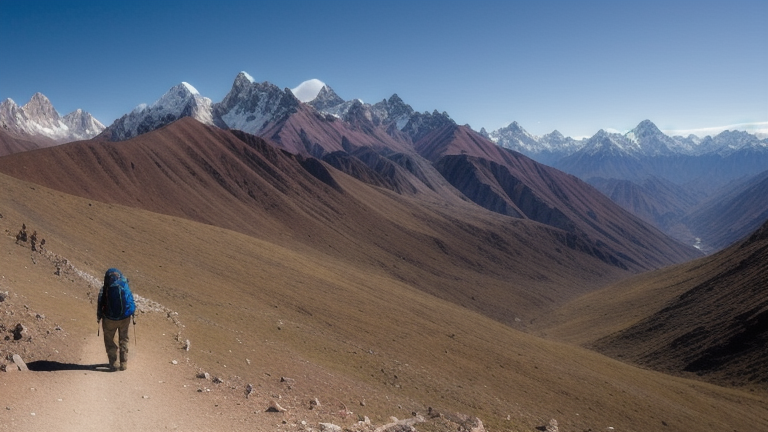
Taking a three-month hiatus from the professional grind isn’t merely an extended vacation—it is a conscious pivot toward slow travel, personal rejuvenation, and deep cultural immersion. However, transitioning from a structured routine to ninety days of location independence requires more than passion; it demands precise financial architecture. Successfully budgeting a 90-day sabbatical ensures you can fully absorb new environments, engage with local heritage, and explore authentic traditions without financial anxiety weighing down your journey.
At Surma, we view long-term travel as an investment in human connection and cultural literacy. Here is how to construct a resilient, realistic financial foundation for your 90-day sabbatical.
                       [ 90-DAY SABBATICAL FINANCIAL MODEL ]
                                         |
       +---------------------------------+---------------------------------+
       |                                 |                                 |
[ FIXED HOME BASE COSTS ]     [ ON-THE-GROUND RUNWAY ]        [ SAFETY & CONTINGENCY ]
       |                                 |                                 |
• Mortgage / Rent Hold          • Slow Stay Lodging (Monthly)     • Emergency Cash Reserve (15%)
• Insurance & Retainers         • Daily Cultural & Food Budget     • Health & Evacuation Insurance
• Recurring Subscriptions       • Regional Slow Transit Pass      • Return Buffer Fund
A 90-day sabbatical across the Andean corridor of Ecuador and Peru is long enough to settle into a genuine rhythm rather than a vacation pace, which changes the entire budgeting logic. Monthly rentals, local transit passes and market-based cooking replace the nightly, tourist-rate spending that dominates shorter trips. The figures below are illustrative examples only, built to show the structure of a realistic monthly burn rate rather than to promise exact current pricing, which shifts with location, season and exchange rates.
Housing: The Biggest Lever
Monthly furnished rentals in mid-sized Andean cities and smaller highland towns vary enormously depending on whether you’re in a well-known expat hub or a quieter local neighbourhood. A simple one-bedroom furnished apartment booked on a monthly basis typically runs at a fraction of the equivalent nightly short-stay rate, often with utilities included or available as a modest add-on.
| Housing type (illustrative) | Approximate monthly range | Notes |
|---|---|---|
| Shared room in a local household | Lowest tier of the range | Often includes some meals; best for cultural immersion |
| Simple furnished studio or 1-bed | Low-to-mid tier | Widely available in most mid-sized towns |
| Well-located apartment in an expat-popular area | Mid-to-upper tier | Higher demand drives price up versus local-only listings |
Negotiating a 90-day rate directly with a local landlord, rather than booking through a short-stay platform at daily rates, consistently produces the largest single saving in a sabbatical budget. It’s worth the extra effort of arranging this locally or through a trusted local contact rather than defaulting to platform pricing built for shorter stays.
Public Transit Passes vs Pay-As-You-Go
Most mid-sized Andean cities run affordable local bus networks, and some have adopted integrated fare card systems similar to larger capital cities. For a long stay, a monthly or heavily-used transit pass, where available, almost always beats paying per trip, especially once you’re using local transport daily rather than occasionally.
- Intercity travel between highland towns is typically handled by frequent, inexpensive bus services rather than trains, with fares scaling by distance rather than a flat pass system.
- For regular day-to-day movement within one base city, check whether a rechargeable local transit card offers a discount over single-fare cash payments — this is increasingly common and often underused by short-term visitors who don’t stay long enough to bother setting one up.
- Budget separately for occasional longer intercity trips between your Ecuador and Peru bases, since these cost meaningfully more than daily local transit and shouldn’t be averaged into your routine monthly transit estimate.
Market Cooking vs Restaurant Dependency
This is the second major lever after housing. Andean highland markets offer fresh produce, grains and proteins at prices well below restaurant dining, and a sabbatical-length stay gives you the time and kitchen access to cook most meals rather than relying on restaurants out of convenience.
| Approach (illustrative) | Relative monthly food cost |
|---|---|
| Restaurant meals for most meals | Highest — comparable to or above housing cost in some cases |
| Mixed: market cooking most days, occasional restaurant meals | Moderate — a substantial reduction versus restaurant-dependent eating |
| Primarily market-based cooking with rare dining out | Lowest — the most budget-efficient pattern for a long stay |
Set menu lunches (often called menú del día in the region) remain a genuinely affordable option even for restaurant meals, typically including a soup, main and sometimes a drink at a fixed, modest price, and they’re worth building into your routine a few times a week for both convenience and local flavour without the cost of ordering individually from a full menu.
Illustrative 90-Day Structure
- Housing: negotiate monthly rates directly where possible; this single decision has the largest effect on your total budget.
- Local transit: set up any available rechargeable card early; budget intercity travel separately from daily movement.
- Food: establish a market-shopping routine within your first week in each base, supplementing with occasional set-menu restaurant lunches.
- Buffer: set aside a reasonable contingency for unplanned costs — altitude acclimatisation days, unexpected transit delays, or simply wanting a treat meal — since a 90-day stretch inevitably includes some deviation from a tight plan.
None of the figures above should be treated as current pricing — costs shift with season, exchange rates and specific neighbourhood, and checking current rates locally before committing to a long-term rental or transit pass is essential. What stays consistent across most reasonable Andean sabbatical budgets is the structure: housing negotiated monthly rather than nightly, and food shifted toward markets rather than restaurants, are the two changes that make a 90-day stay financially sustainable in a way a standard two-week holiday budget simply isn’t built for.
A budget built purely around housing, transit and food misses one factor specific to this region: altitude acclimatisation. Many highland Andean towns sit at elevations high enough to cause genuine altitude discomfort for newly arrived travellers, and rushing straight into a full activity schedule without a few easier initial days often backfires, costing more in missed plans or unplanned rest days than simply budgeting for a gentler first week from the outset.
It’s also worth setting aside a modest allowance for basic travel health costs — over-the-counter remedies for altitude-related discomfort, any recommended vaccinations or preventive medication specific to the region, and a simple travel insurance policy that covers medical evacuation, which matters more in remote highland areas than it might in a well-connected European city. None of this needs to be expensive, but treating it as a genuine line item rather than an afterthought avoids the kind of unplanned spending that derails an otherwise careful budget.
Splitting the 90 Days Across Two Countries
Dividing your sabbatical between Ecuador and Peru rather than committing the full 90 days to one country adds variety but also adds cost in the form of the intercity and cross-border transit mentioned earlier. A reasonable approach is to weight your time toward fewer, longer stays in each base — perhaps six to eight weeks in one country and the remainder in the other — rather than frequent short hops between multiple towns in both, which quickly erodes the cost advantage that a slow, settled sabbatical is built around in the first place.
Final Thoughts
A three-month journey away from work is an unprecedented opportunity to reset your perspective and connect with diverse cultures across the globe. By mastering the mechanics of budgeting a 90-day sabbatical, you eliminate financial volatility and create the mental freedom needed to immerse yourself in the stories, traditions, and rhythms of the world. Plan thoughtfully, calculate accurately, and let your long-term travel unfold with purpose.